How to Use a Free SEO Analysis Tool Online to Get Actionable SEO Recommendations in One Hour

Getting started with SEO analysis tool free online options can transform your website's search engine performance in just one hour. However, many website owners struggle to interpret audit results and turn them into actionable improvements. Furthermore, the abundance of free SEO tools makes it challenging to choose the right one and understand what the data actually means.
This comprehensive guide walks you through the entire process of running a professional SEO audit using free online tools. Additionally, you'll learn how to prioritize recommendations and create a fix-first action plan that delivers real results.
Understanding What Makes a Good SEO Analysis Tool Free Online
Not all free SEO analysis tools are created equal. Therefore, it's essential to understand the key features that separate professional-grade tools from basic checkers. Moreover, the best tools provide comprehensive insights across multiple SEO factors rather than just surface-level metrics.
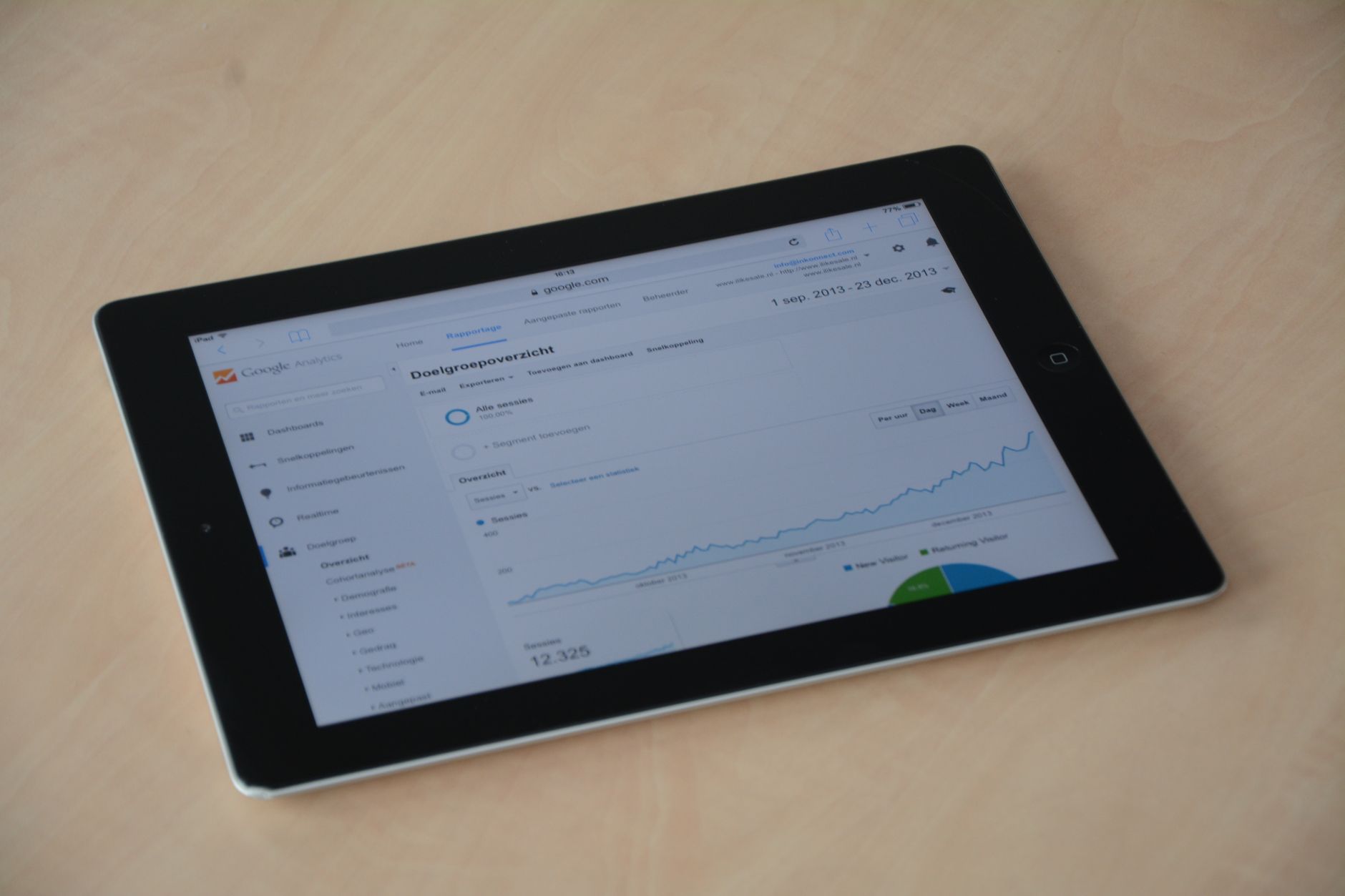
A quality free SEO analysis tool should evaluate at least 15-20 different on-page SEO factors. Specifically, look for tools that analyze technical elements like page speed, mobile responsiveness, and crawlability. Additionally, the tool should assess content optimization, including title tags, meta descriptions, and heading structure.
The most valuable tools also provide a clear website SEO score that summarizes your site's overall health. Furthermore, they should offer specific, actionable recommendations rather than vague suggestions. Consequently, you can focus your efforts on improvements that will have the biggest impact on your search rankings.
Step 1: Choosing Your SEO Analysis Tool and Preparing for the Audit
Before diving into your audit, select a reliable tool that matches your needs. Meanwhile, gather the essential information you'll need for a thorough analysis. Notably, SEOjama's free SEO audit tool provides comprehensive analysis across 20+ factors with prioritized recommendations.

Start by identifying the specific pages you want to analyze. However, if you're new to SEO, begin with your homepage and most important landing pages. Additionally, make sure you have access to your website's analytics data, as this context will help you interpret the results more effectively.
Create a simple spreadsheet to track your findings and progress. Specifically, set up columns for the issue type, priority level, estimated fix time, and completion status. Therefore, you'll have a clear roadmap for implementing improvements systematically.
Essential Information to Gather Before Starting
- Your website's primary target keywords
- Top-performing pages from analytics data
- Current search rankings for key terms
- Recent changes made to your website
- Your main competitors' websites
Step 2: Running Your First Comprehensive SEO Audit
Now it's time to run your audit and collect the data. Furthermore, most quality tools complete their analysis within 2-3 minutes, providing instant insights into your website's SEO health. However, the real value comes from understanding what each metric means and how it impacts your search performance.
Enter your website URL into your chosen SEO analysis tool free online platform. Meanwhile, the tool will crawl your site and evaluate dozens of ranking factors simultaneously. Consequently, you'll receive a detailed report covering everything from technical issues to content optimization opportunities.

Pay close attention to the overall SEO score, but don't get discouraged if it's lower than expected. Additionally, focus on the specific issues identified rather than just the numerical rating. Moreover, most websites have room for improvement, even those that appear to be performing well.
The audit typically covers several key areas that directly impact your search rankings. Specifically, these include technical SEO elements, on-page optimization factors, and content quality metrics. Therefore, each category requires different types of fixes and varying levels of technical expertise.
Key Areas Covered in a Comprehensive SEO Audit
- Technical SEO: Page speed, mobile-friendliness, SSL certificates, and crawlability issues
- On-page optimization: Title tags, meta descriptions, heading structure, and keyword usage
- Content analysis: Content length, readability, internal linking, and keyword density
- User experience: Core Web Vitals, navigation structure, and mobile responsiveness
Step 3: Interpreting Your Website SEO Score and Audit Results
Understanding your audit results is crucial for making meaningful improvements. However, many beginners focus too heavily on the overall score instead of individual recommendations. Furthermore, each issue has different levels of impact on your search rankings and varying difficulty to fix.
Start by reviewing the highest-priority issues first, as these typically offer the biggest SEO impact. Additionally, look for patterns in the recommendations - multiple pages with similar issues suggest systematic problems that need addressing. Moreover, prioritized SEO recommendations help you focus on changes that deliver the most value.
Your website SEO score provides a quick snapshot, but the detailed breakdown is where real insights live. Specifically, examine which factors are pulling your score down and how much each improvement could boost your overall rating. Therefore, you can make data-driven decisions about where to invest your time and resources.
How to Prioritize SEO Issues Effectively
Not all SEO issues are created equal, so prioritization is essential for efficient improvement. Furthermore, some fixes take minutes while others require significant time investment. Consequently, smart prioritization ensures you see results quickly while building momentum for larger projects.
- High impact, low effort: Missing meta descriptions, broken internal links, image alt text
- High impact, high effort: Page speed optimization, mobile responsiveness, content rewrites
- Medium impact, low effort: Header tag optimization, schema markup, social media tags
- Low impact, high effort: Minor technical fixes, cosmetic improvements
Step 4: Creating Your One-Hour Action Plan
With your audit complete and issues prioritized, it's time to create an actionable plan. However, trying to fix everything at once leads to overwhelm and incomplete implementations. Therefore, focus on quick wins that can be accomplished within your first hour of work.
Start with the easiest fixes that provide immediate SEO benefits. Additionally, these quick improvements build confidence and demonstrate progress to stakeholders. Moreover, completing simple tasks first creates momentum for tackling more complex issues later.

Your one-hour action plan should include 3-5 specific tasks that can be completed quickly. Furthermore, each task should have clear success criteria so you know when it's properly implemented. Specifically, focus on issues that don't require technical expertise or significant content creation.
Quick Wins You Can Implement in One Hour
- Optimize title tags: Update 3-5 pages with better, keyword-focused titles (15 minutes)
- Write meta descriptions: Add compelling descriptions for key pages (20 minutes)
- Fix broken internal links: Update or remove non-working links (10 minutes)
- Add alt text to images: Optimize 10-15 important images (15 minutes)
According to Moz's SEO research, these on-page optimizations can improve search rankings within weeks of implementation.
Step 5: Implementing Your SEO Improvements
Implementation is where many SEO efforts stall, but breaking tasks into manageable chunks ensures steady progress. Furthermore, documenting your changes helps track what works and what doesn't. Additionally, most content management systems make basic SEO optimizations straightforward to implement.
Start with your highest-priority pages and work systematically through your list. However, don't rush through implementations - quality matters more than speed. Moreover, double-check each change to ensure it's properly applied and doesn't create new issues.
For technical fixes beyond your expertise, create a detailed brief for developers or consider using professional SEO tools that provide implementation guidance. Meanwhile, focus on the improvements you can handle independently to maintain momentum.
Best Practices for SEO Implementation
- Make one change at a time to track effectiveness
- Test changes on staging sites before going live
- Keep detailed records of what was changed and when
- Monitor search console for any negative impacts
- Set calendar reminders to review progress monthly
Step 6: Monitoring Results and Planning Next Steps
SEO improvements take time to show results, but monitoring progress keeps you motivated and informed. Furthermore, tracking changes helps identify which optimizations deliver the biggest impact. Consequently, you can refine your approach and focus future efforts on the most effective strategies.
Set up tracking for key metrics before implementing changes so you have baseline data. Additionally, Google Search Console provides free monitoring tools that show how your SEO efforts affect search performance. Moreover, regular monitoring helps catch any issues before they impact your rankings significantly.
Plan to re-run your SEO audit monthly to track improvements and identify new opportunities. However, give changes at least 2-4 weeks to take effect before making additional modifications. Therefore, you can accurately assess the impact of each optimization round.
Key Metrics to Track After Implementation
- Search rankings: Track positions for target keywords weekly
- Organic traffic: Monitor overall and page-specific traffic trends
- Click-through rates: Measure how title and meta description changes affect clicks
- Core Web Vitals: Track page speed and user experience improvements
- Crawl errors: Monitor for new technical issues that need addressing
Advanced Tips for Maximizing Your SEO Analysis Results
Once you've mastered the basics, several advanced techniques can amplify your SEO analysis effectiveness. Furthermore, these strategies help identify opportunities that basic audits might miss. Additionally, understanding competitive analysis adds valuable context to your optimization efforts.
Consider analyzing your top competitors using the same free tools to identify gaps and opportunities. Moreover, competitor analysis reveals keyword targets and content strategies that work in your industry. Specifically, look for pages where competitors rank well but your site doesn't appear in results.
Regular auditing becomes more valuable over time as you build historical data and identify trends. However, don't limit yourself to one tool - different platforms may catch issues others miss. Therefore, rotating between quality free tools provides more comprehensive coverage of potential problems.
According to Search Engine Land's SEO research, websites that conduct monthly audits and implement improvements consistently see 25-40% better search performance than those that audit sporadically.
Conclusion: Your Path to Better SEO Starts Now
Using an SEO analysis tool free online effectively transforms your website's search performance when you follow a systematic approach. Furthermore, the key is turning audit data into actionable improvements rather than getting overwhelmed by the technical details. Additionally, consistent implementation of prioritized fixes delivers better results than sporadic major overhauls.
Remember that SEO is a marathon, not a sprint, but the one-hour action plan gets you moving in the right direction immediately. Moreover, each small improvement compounds over time to create significant search ranking gains. Therefore, start with your first audit today and begin building the SEO momentum your website needs to succeed.
Get started with your free SEO audit and discover exactly what your website needs to rank higher in search results. Your improved search visibility is just one hour away.
Want results like this for your site?
Run a free SEO audit and get actionable fixes in seconds.
Run a free SEO audit →