SEO Analysis Tool Free vs Google SEO Checker: What's the Real Difference in 2026?
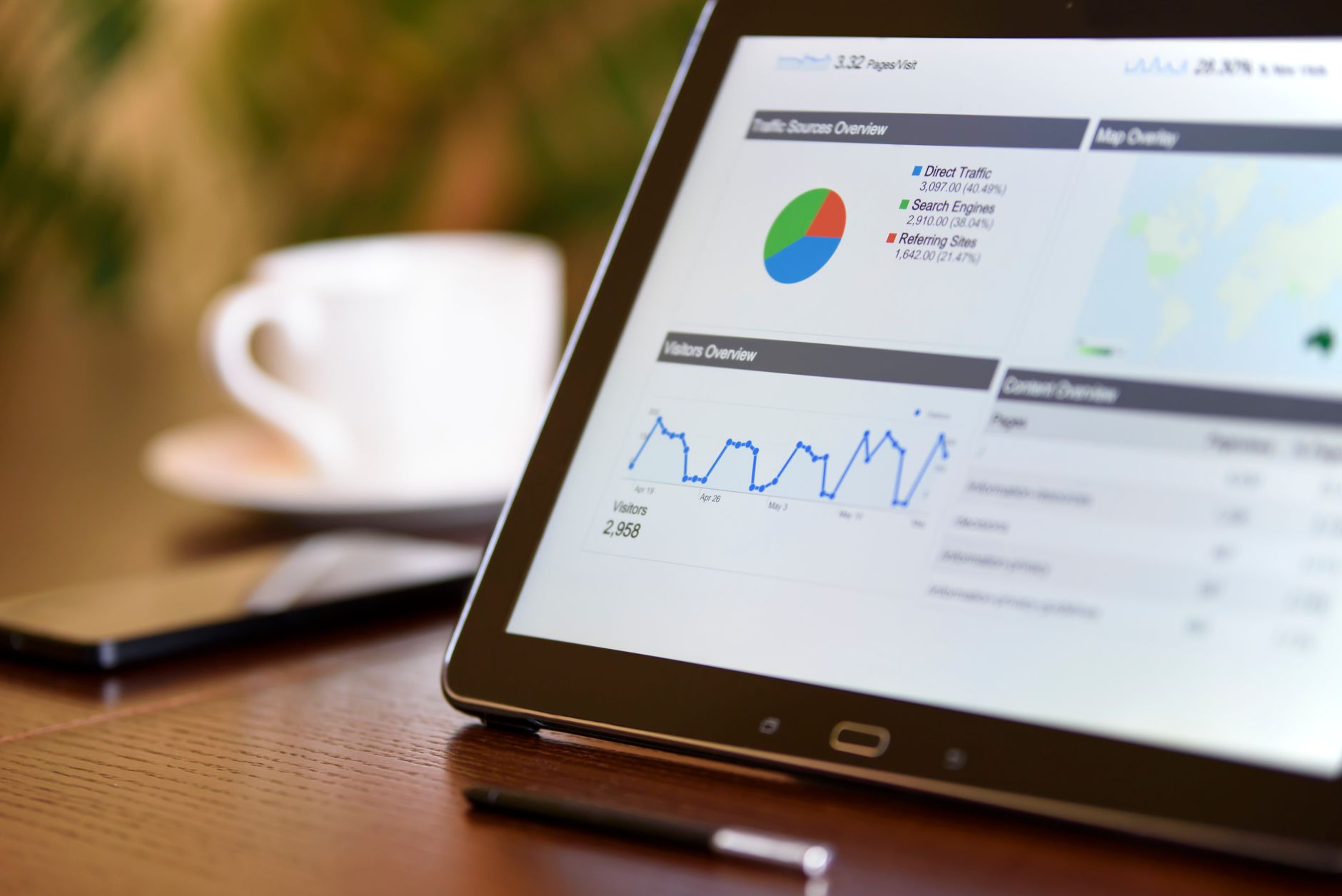
Choosing the right seo analysis tool free option can make or break your website's search rankings. However, with Google's own SEO checker tools and countless third-party alternatives available, many website owners struggle to understand which solution truly delivers actionable insights. Furthermore, the landscape has evolved dramatically in 2026, making this comparison more critical than ever.
The reality is that both Google's built-in tools and dedicated SEO analysis platforms serve different purposes. Moreover, understanding their strengths and limitations will help you make informed decisions about your website optimization strategy.
Understanding Google's SEO Checker Ecosystem
Google provides several free tools that collectively form their SEO checker ecosystem. Additionally, these tools work together to give you insights into your website's performance and technical health.
Google Search Console: The Foundation
Google Search Console remains the cornerstone of Google's SEO toolkit. Specifically, it provides direct insights from Google's perspective about your website's search performance. However, it focuses primarily on indexing issues, search queries, and basic technical problems.
Key features include:
- Search performance data and click-through rates
- Index coverage reports and crawling errors
- Mobile usability insights
- Core Web Vitals monitoring
- Manual action notifications
Nevertheless, Search Console has limitations. For instance, it doesn't provide comprehensive on-page SEO analysis or competitive insights that many website owners need.
PageSpeed Insights and Lighthouse Integration
PageSpeed Insights leverages Lighthouse technology to evaluate your website's loading performance. Meanwhile, it provides both lab data and real-world user experience metrics. Consequently, this tool excels at identifying technical performance bottlenecks.
The tool measures:
- Core Web Vitals scores
- Performance optimization opportunities
- Accessibility compliance issues
- SEO best practices adherence
However, PageSpeed Insights focuses heavily on technical performance rather than content optimization or keyword analysis.
Free SEO Analysis Tool Alternatives: Beyond Google
Third-party seo analysis tool free options often provide more comprehensive website audits. Furthermore, these platforms typically combine multiple SEO factors into unified reports that are easier to understand and act upon.
Comprehensive On-Page Analysis
Unlike Google's tools, dedicated SEO analysis platforms examine your content quality, keyword optimization, and meta tag effectiveness. Additionally, they often provide specific recommendations for improving individual pages.
For example, platforms like SEOjama's free SEO audit analyze over 20 on-page SEO factors simultaneously. Moreover, they deliver prioritized recommendations that help you focus on the most impactful improvements first.
These tools typically evaluate:
- Title tag and meta description optimization
- Header structure and keyword usage
- Content length and readability scores
- Internal linking opportunities
- Image optimization and alt text usage
Competitive Intelligence Features
Most free SEO analysis tools provide competitive insights that Google's tools simply cannot offer. Specifically, they help you understand how your website compares to competitors in your niche.
These insights often include:
- Competitor keyword rankings
- Backlink profile comparisons
- Content gap analysis
- Technical SEO benchmarking
Reading Your Website SEO Score: Google vs Third-Party Tools
Understanding how to interpret your website SEO score from different tools requires knowing what each platform prioritizes. Consequently, scores from Google tools and third-party analyzers often tell different stories about your site's health.
Google's Scoring Methodology
Google's tools don't provide a unified SEO score. Instead, they offer specific metrics like Core Web Vitals scores, mobile usability status, and indexing health indicators. Therefore, you need to synthesize information from multiple Google tools to get a complete picture.
For instance, a site might score 90+ on PageSpeed Insights but show coverage issues in Search Console. As a result, interpreting Google's data requires more technical expertise and time investment.
Third-Party SEO Score Systems
Dedicated SEO analysis platforms typically provide unified scores that combine multiple ranking factors. Moreover, these scores are designed to be more actionable for non-technical users.
A comprehensive website SEO score usually incorporates:
- Technical SEO health (25-30%)
- On-page optimization quality (30-35%)
- Content relevance and structure (20-25%)
- User experience factors (15-20%)
However, remember that these scores are interpretations of SEO best practices, not direct Google ranking signals.
When Google's Tools Fall Short: Identifying the Gaps
While Google's SEO checker tools are authoritative, they have significant limitations that become apparent when you need comprehensive website optimization guidance.
Limited Content Analysis Capabilities
Google's tools excel at technical diagnostics but provide minimal content optimization guidance. Furthermore, they don't analyze keyword density, content structure, or readability factors that significantly impact user engagement.
For example, Google Search Console might show that your page receives impressions but low click-through rates. However, it won't tell you that your meta descriptions are too long or that your headlines lack compelling keywords.
Absence of Competitive Context
Google's tools operate in isolation, providing no competitive benchmarking. Additionally, they don't help you understand why competitors might be outranking you for specific keywords or topics.
This limitation becomes critical when you're trying to:
- Identify content gaps in your niche
- Understand competitor content strategies
- Benchmark your technical performance against industry leaders
- Discover new keyword opportunities
Lack of Prioritized Recommendations
Google's tools identify issues but rarely prioritize them by potential impact. Consequently, website owners often waste time on low-impact optimizations while ignoring critical problems.
Third-party tools like SEOjama's recommendation engine solve this by ranking suggestions based on their likely impact on search rankings.
The Hybrid Approach: Combining Google and Third-Party Tools
The most effective SEO strategy in 2026 involves leveraging both Google's authoritative data and third-party analysis capabilities. Moreover, this hybrid approach provides the most comprehensive view of your website's optimization opportunities.
Using Google Tools for Foundation Monitoring
Start with Google Search Console and PageSpeed Insights for baseline monitoring. Specifically, use these tools to:
- Monitor indexing status and crawl errors
- Track Core Web Vitals performance
- Identify manual actions or penalties
- Analyze search query performance
These insights provide the foundation for understanding how Google perceives your website.
Leveraging Free SEO Analysis Tools for Optimization
Subsequently, use comprehensive SEO analysis platforms to identify optimization opportunities that Google's tools miss. Therefore, focus on tools that provide:
- Detailed on-page SEO recommendations
- Content optimization suggestions
- Competitive analysis features
- Prioritized action plans
For instance, you might use SEOjama's on-page SEO analyzer to get specific recommendations for improving individual pages based on current SEO best practices.
Creating an Integrated Monitoring Workflow
Establish a regular workflow that combines insights from both tool types. Specifically, consider this monthly approach:
- Review Google Search Console for technical issues and performance trends
- Run comprehensive SEO audits using third-party tools
- Cross-reference findings to identify priority improvements
- Implement changes based on combined insights
- Monitor results using Google's tools
Making the Right Choice for Your Website in 2026
The choice between relying solely on Google's tools or incorporating third-party SEO analysis depends on your specific needs, technical expertise, and optimization goals.
When Google's Tools Are Sufficient
Google's SEO checker tools might be adequate if you:
- Have extensive SEO experience and can interpret raw data
- Focus primarily on technical SEO and performance optimization
- Maintain a simple website with limited content
- Have development resources to implement technical fixes
However, most website owners benefit from additional analysis and guidance that third-party tools provide.
When You Need More Comprehensive Analysis
Consider using dedicated seo analysis tool free options when you need:
- Actionable, prioritized recommendations
- Content optimization guidance
- Competitive intelligence
- User-friendly reporting for stakeholders
- Automated monitoring and alerts
Furthermore, businesses serious about SEO performance typically benefit from the comprehensive insights that specialized platforms provide.
The Cost-Benefit Analysis
While Google's tools are completely free, they require significant time investment to extract actionable insights. Meanwhile, comprehensive SEO analysis tools often provide faster, more actionable guidance that can accelerate your optimization efforts.
Consider the time saved in analysis and the potential ranking improvements when evaluating different approaches. Ultimately, the right choice depends on your available time, technical expertise, and growth objectives.
Future-Proofing Your SEO Analysis Strategy
As search algorithms continue evolving, your SEO analysis approach must adapt accordingly. Moreover, the tools and metrics that matter most will likely shift as Google introduces new ranking factors and user experience requirements.
The key to long-term success lies in maintaining flexibility in your tool selection while focusing on fundamental SEO principles. Additionally, staying informed about algorithm updates and new tool capabilities will help you maintain competitive advantages.
Whether you choose Google's tools, third-party alternatives, or a hybrid approach, remember that consistent monitoring and optimization remain more important than perfect tool selection. Learn more about developing a sustainable SEO strategy by exploring comprehensive analysis options that fit your specific needs and budget.
Ultimately, the best SEO analysis strategy combines authoritative data from Google with actionable insights from specialized platforms. Therefore, get started by evaluating your current approach and identifying gaps that comprehensive SEO analysis tools can fill.
Want results like this for your site?
Run a free SEO audit and get actionable fixes in seconds.
Run a free SEO audit →